Academic Credential Verification In Crypto
Academic credential verification in crypto utilizes blockchain technology to create tamper-proof, instantly verifiable digital certificates, eliminating forgery risks and streamlining hiring. Institutions issue cryptographically signed, immutable records to student wallets, allowing employers to verify credentials via public ledger checks.
Go Back
🕒 8:11 PM
📅 Feb 04, 2026
✍️ By chyneyz
Key Components of Blockchain Credentialing
Immutable Records: Once issued on a blockchain, records cannot be altered or deleted, ensuring the authenticity of degrees.
Verifiable Credentials (VCs): Digital representations of degrees that are cryptographically signed, allowing holders to prove their credentials without revealing unnecessary personal data.
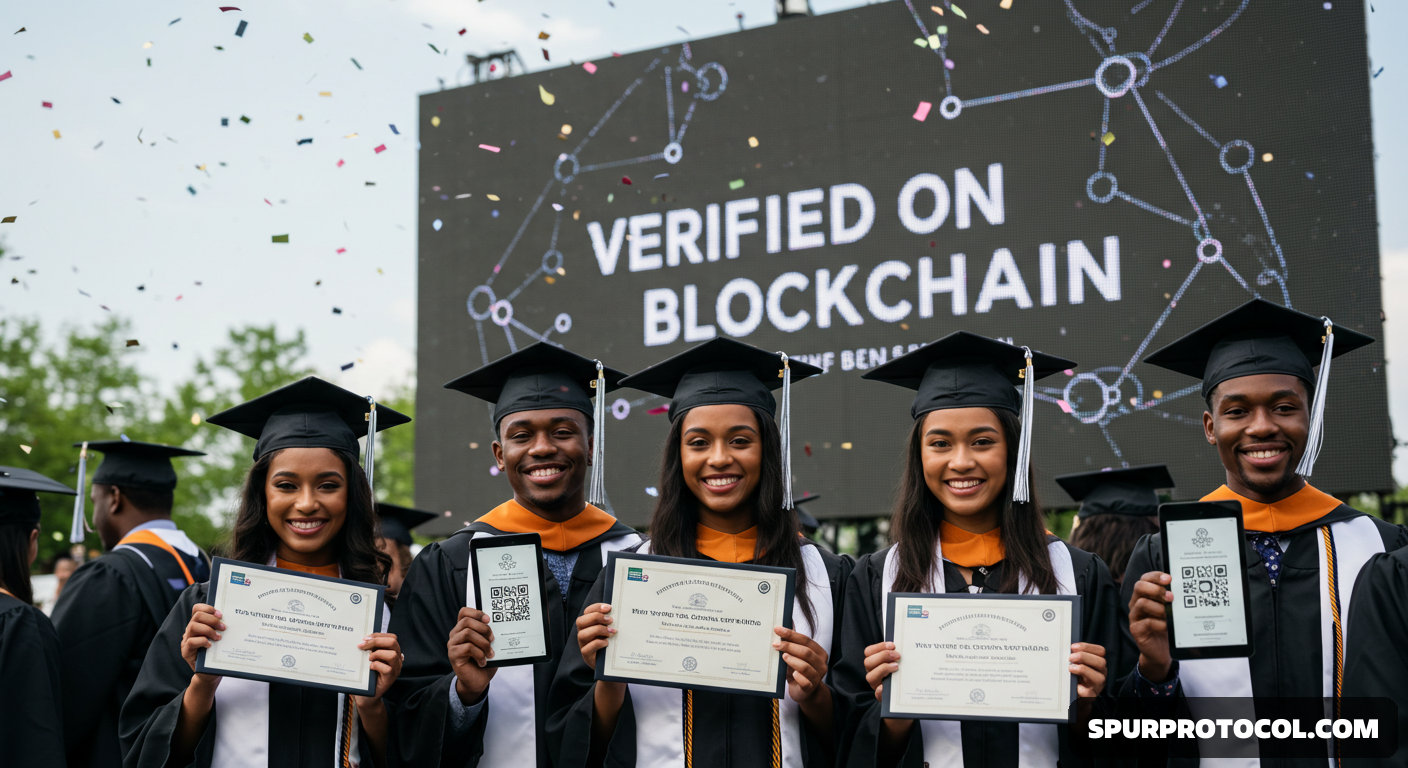
QR Codes/Hashes: Certificates include a unique hash or QR code linking to the blockchain record for instant validation.
Smart Contracts: Automated, self-executing contracts on networks like Ethereum that can handle the issuance and verification of credentials.
Benefits Over Traditional Methods
Instant Verification: Reduces verification times from weeks to seconds.
Security: Eliminates the risk of forged or counterfeit paper documents.
Efficiency: Lowers administrative overhead for institutions and employers.
Portability: Students hold their credentials in a digital wallet, providing them with full ownership and control.
Implementation Challenges
Adoption Rate: Widespread adoption by educational institutions is still in progress.
Technical Hurdles: High gas fees on certain public blockchains (e.g., Ethereum) can be a barrier, though Layer 2 solutions are addressing this.
Example Workflow
Issue: A university generates a cryptographic hash of a diploma and records it on the blockchain.
Store: The student receives a secure digital certificate, sometimes in a crypto wallet.
Verify: An employer scans a QR code on the certificate, which instantly checks the blockchain to confirm it is valid and untampered.