Blockchain Governance And DAOs – A New Way To Run Organizations
Most traditional organizations rely on hierarchical structures, where authority is concentrated at the top and decisions move downward through management levels. Blockchain technology has introduced an alternative model called a Decentralized Autonomous Organization (DAO), designed to distribute authority among members rather than placing control in the hands of a central leadership group.
Go Back
🕒 10:13 AM
📅 Feb 25, 2026
✍️ By Goko7
As Web3 ecosystems and online communities continue to grow, DAOs are increasingly viewed as a potential evolution in how organizations operate and make decisions.
How DAOs Operate
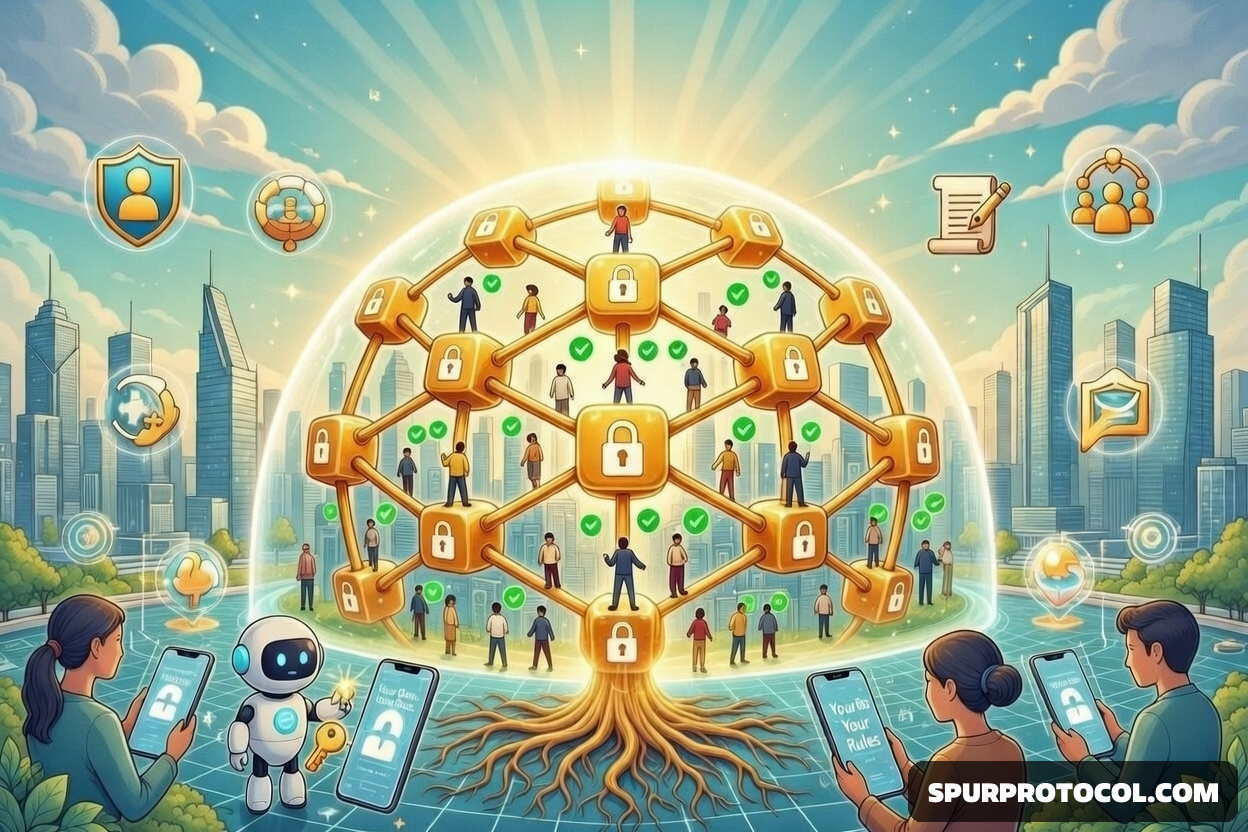
A DAO is governed by smart contracts, which are pieces of code stored on a blockchain. These contracts define the organization’s rules, including how proposals are submitted, how voting works, and how funds are allocated. Because these rules are embedded in the blockchain, they operate automatically and cannot be changed without member approval.
Instead of relying on executives or directors, DAO members participate directly in governance by voting on proposals. Voting power is usually connected to governance tokens, which members earn or acquire. The more tokens a participant holds, the greater their voting influence, although some DAOs use alternative models to balance participation.
This system reduces reliance on centralized control and promotes collective decision-making.
Transparency and Borderless Collaboration
One of the strongest advantages of DAOs is their transparency. Every transaction, proposal, and vote is recorded on the blockchain, making the organization’s activity visible and verifiable. This openness helps build trust, especially among members who may never meet in person.
DAOs also remove geographic limitations.
Participants from anywhere in the world can contribute, vote, and help shape the direction of the organization. This global accessibility enables collaboration across cultures and allows organizations to benefit from a wider range of skills and perspectives.
Current Challenges and Risks
Despite their innovative design, DAOs face practical and structural challenges. Governance can become inefficient if member participation is low or if the voting process becomes overly complex. In some cases, individuals with large token holdings may gain significant influence, raising concerns about fairness and decentralization.
Legal uncertainty is another major issue. Many legal systems do not yet clearly define the status of DAOs, which creates complications around liability, regulation, and contractual obligations.
The Future of Decentralized Governance
DAOs represent a significant shift in organizational design, emphasizing transparency, automation, and shared control. While they are unlikely to completely replace traditional organizations in the near term, they offer a powerful alternative for digital communities, investment groups, and blockchain-based projects.
As blockchain infrastructure improves and regulatory frameworks evolve, DAOs may become a more widely adopted model for managing organizations in the digital economy.