Blockchain In Government – Can It Improve Accountability In Public Services?
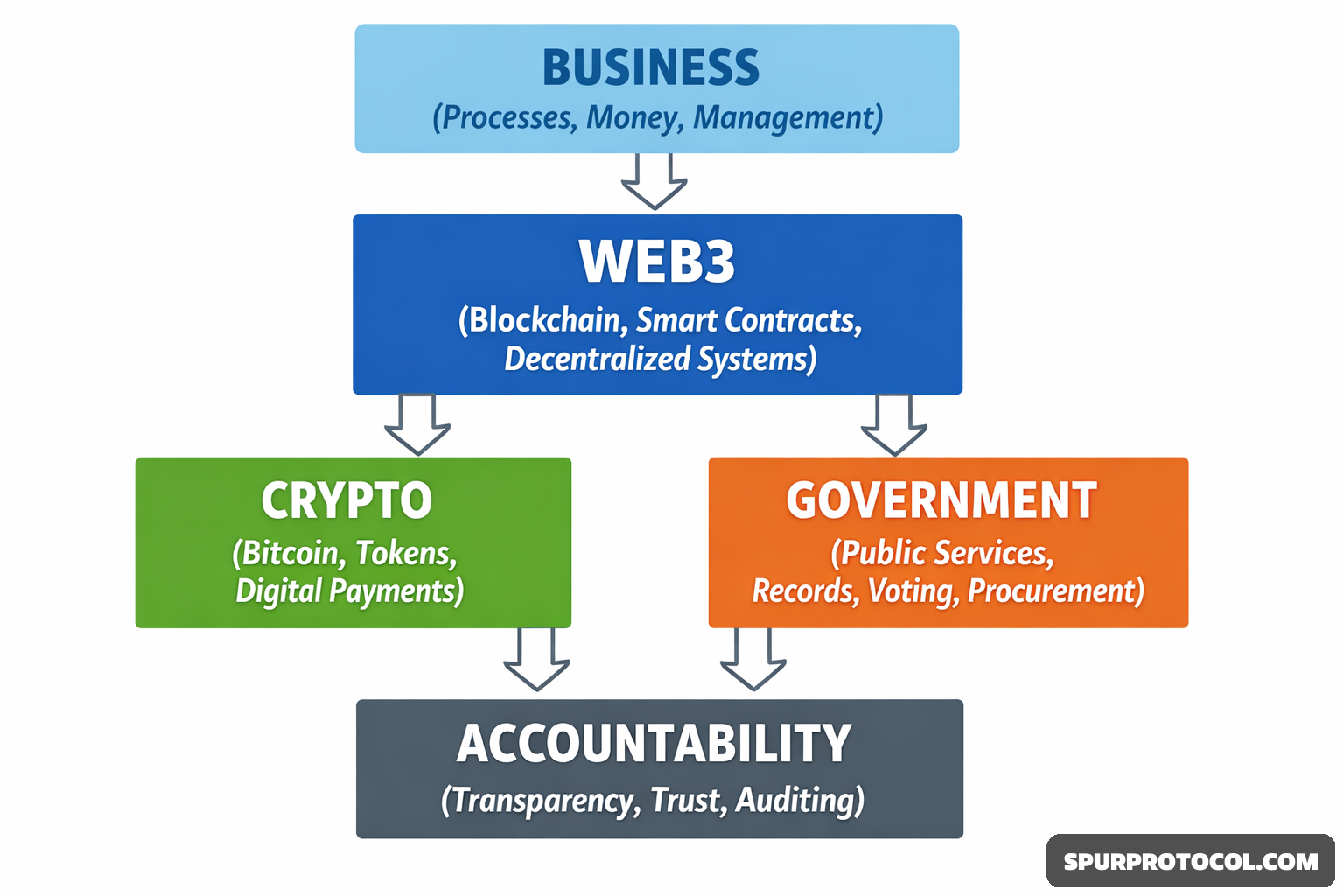
Governments are responsible for managing enormous volumes of data, public funds, and essential services. Whether it involves elections, public procurement, or property records, transparency and accountability are fundamental to maintaining public confidence. In recent years, blockchain technology has emerged as a potential tool to improve how public institutions operate. The key question is whether it can genuinely make governments more accountable.
Go Back
🕒 7:14 AM
📅 Feb 26, 2026
✍️ By Goko7
Increasing Transparency in Public Records
One of blockchain’s most valuable features is its ability to store records in a secure and permanent way. Once information is added to the blockchain, it becomes extremely difficult to alter or remove. This makes it a powerful tool for reducing corruption and preventing unauthorized changes, especially in areas such as land registries, licensing systems, and public expenditure tracking.
When records are transparent and verifiable, citizens gain greater visibility into how decisions are made and how public funds are used. This level of openness can strengthen trust between governments and the people they serve.
Improving Efficiency and Limiting Fraud
Blockchain can also make administrative processes faster and more efficient. Through the use of smart contracts, certain actions such as releasing payments or processing benefits can be executed automatically once predefined conditions are met. This reduces reliance on manual processes, lowers administrative costs, and minimizes the risk of errors or fraudulent activity.
In public procurement, blockchain can provide a clear and traceable record of bids, approvals, and contract execution. This creates a reliable audit trail and discourages unfair or non-transparent practices.
Balancing Transparency with Data Protection
Despite its transparency benefits, governments must ensure that sensitive personal data remains protected. Public blockchains are not always suitable for storing confidential information. For this reason, many government applications rely on permissioned or hybrid blockchain systems, where access is restricted to authorized participants.
At the same time, any implementation must comply with data protection regulations and existing legal frameworks. Successful adoption requires careful planning, proper governance, and alignment with national laws.
A Valuable Tool for Modern Public Administration
Blockchain is not a cure-all solution, but it offers practical advantages that can improve transparency, efficiency, and accountability. When implemented correctly, it can help modernize public services and reinforce trust in government institutions.
As governments continue their digital transformation, blockchain has the potential to play an important role in building more transparent, efficient, and accountable public systems.