Blockchain In Humanitarian Support – Can It Help Deliver Aid More Reliably?
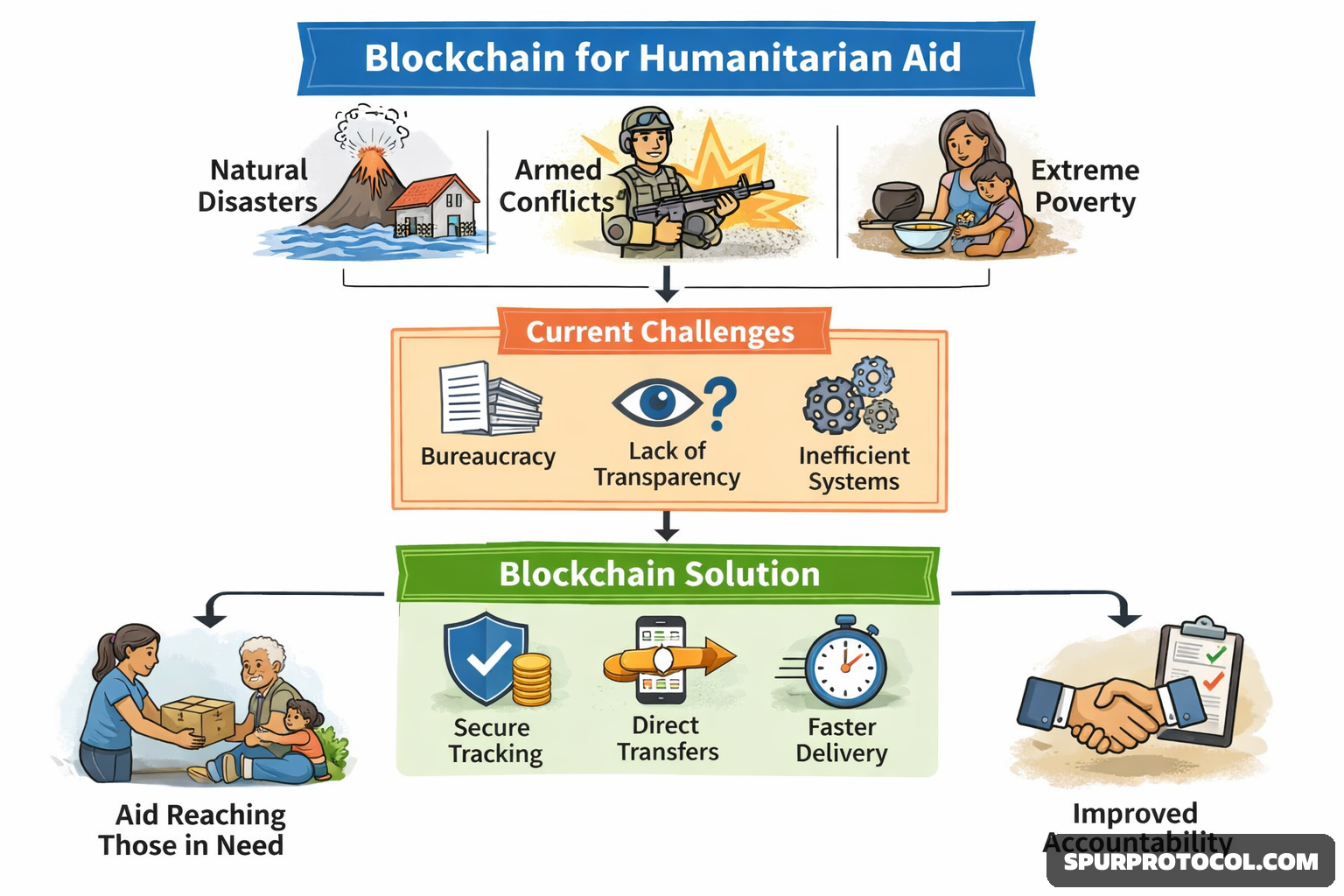
Delivering support during crises such as natural catastrophes, wars, or extreme economic hardship is vital for helping at-risk communities. Even so, making sure that money and supplies actually reach the people they are meant for is often difficult. Administrative complexity, weak monitoring, and outdated processes can delay assistance or reduce its impact. Because of these issues, blockchain is being considered as a tool that could improve the way humanitarian support is tracked and distributed
Go Back
🕒 4:24 PM
📅 Feb 27, 2026
✍️ By Goko7
Clearer visibility over financial movements
One of the main advantages of blockchain is its ability to store transaction data in a secure and permanent format. Each operation is recorded in a digital ledger that cannot be altered without detection. This allows authorized parties to follow the path of funds from the original source to the final destination.
Such transparency can reduce mistakes and discourage improper handling of resources. It also provides reassurance to donors and organizations, as they can verify how contributions are being used.
Quicker and more direct transfers
Traditional aid distribution often involves multiple layers of administration, which can slow down delivery and increase operational costs. Blockchain-based systems make it possible to send funds directly to recipients using digital platforms, removing unnecessary steps.
In addition, automated processes can be introduced. Payments can be triggered automatically once predefined conditions are fulfilled, which reduces delays and limits the need for manual approval.
Practical barriers and real-world constraints
Despite its potential, blockchain is not easy to implement everywhere. Some regions lack stable internet access or reliable digital devices, making adoption difficult. Users may also require training to understand and use the technology safely.
Legal requirements and data protection standards must also be considered. Furthermore, technology alone cannot resolve physical distribution challenges, such as transporting supplies or organizing on-the-ground operations.
A useful addition to modern aid systems
Blockchain offers a way to improve the monitoring and delivery of financial assistance. While it does not solve every problem, it can strengthen oversight and improve operational efficiency.
When applied carefully and supported by proper infrastructure, blockchain can contribute to a more reliable system where assistance reaches intended recipients faster and with greater accountability.