Blockchain In Insurance – Can It Reduce Fraud And Make Claims Faster?
The insurance sector depends on accurate data, verification, and trust between providers and customers. From issuing policies to handling claims, insurers deal with large amounts of sensitive information and financial activity. However, fraud, slow processing times, and complex administrative procedures continue to create inefficiencies. Blockchain technology is now being considered as a way to make insurance operations more secure, transparent, and efficient.
Go Back
🕒 7:23 AM
📅 Feb 26, 2026
✍️ By Goko7
Reducing Fraud Through Secure and Transparent Records
Fraud is one of the biggest challenges in the insurance industry, leading to financial losses for companies and higher premiums for customers. False claims, altered records, and repeated submissions are often difficult to detect, especially when data is stored across multiple disconnected systems.
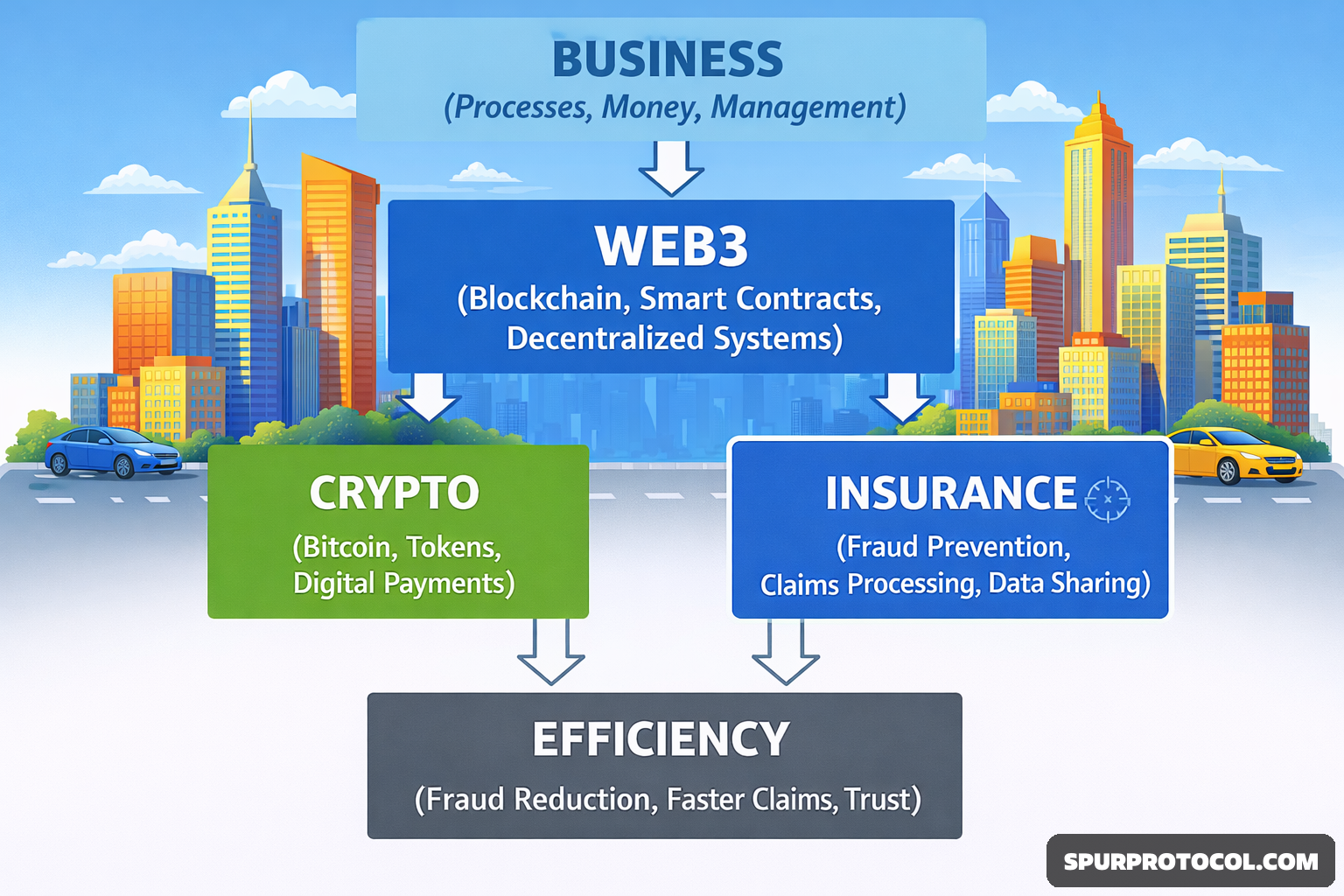
Blockchain offers a shared digital ledger where information is recorded permanently and cannot be easily modified. By storing policy information and claim history on blockchain, insurers can quickly verify data and identify suspicious activity. Since every entry is traceable and secure, the chances of manipulation or duplicate claims are greatly reduced. This creates a more reliable system for insurers, partners, and policyholders.
Faster Claims Processing with Smart Contracts
Smart contracts can significantly improve how claims are handled. These are automated programs stored on the blockchain that execute actions when specific conditions are met. Instead of relying entirely on manual review, payments can be processed automatically once verified data confirms that the claim is valid.
For example, in travel insurance, compensation could be issued automatically if flight delay information confirms the disruption. This eliminates unnecessary paperwork, reduces delays, and minimizes disagreements between insurers and customers. Faster processing leads to better customer experience while also lowering operational costs.
Better Collaboration and Data Management
Insurance processes often involve multiple participants, such as brokers, repair companies, and healthcare providers. Blockchain allows these parties to access accurate and verified information through a secure system. This improves coordination, reduces repetitive data entry, and helps prevent errors.
At the same time, insurers must ensure that blockchain solutions comply with data protection regulations and protect sensitive customer information. Proper implementation requires balancing transparency with privacy and integrating blockchain with existing systems.
A Step Toward a More Efficient Insurance Industry
Blockchain is not an instant replacement for traditional insurance infrastructure, but it offers powerful tools to improve efficiency, reduce fraud, and speed up claims. As the technology continues to mature and adoption increases, it has the potential to modernize insurance services and build stronger trust between insurers and their customers.
In the long term, blockchain could become a key component in creating a faster, more secure, and more transparent insurance ecosystem.