Different Types Of Block Chains
Decentralization Decoded: Public vs. Private Ledgers.
Go Back
🕒 4:00 PM
📅 Dec 19, 2025
✍️ By PolakaNagendraReddy
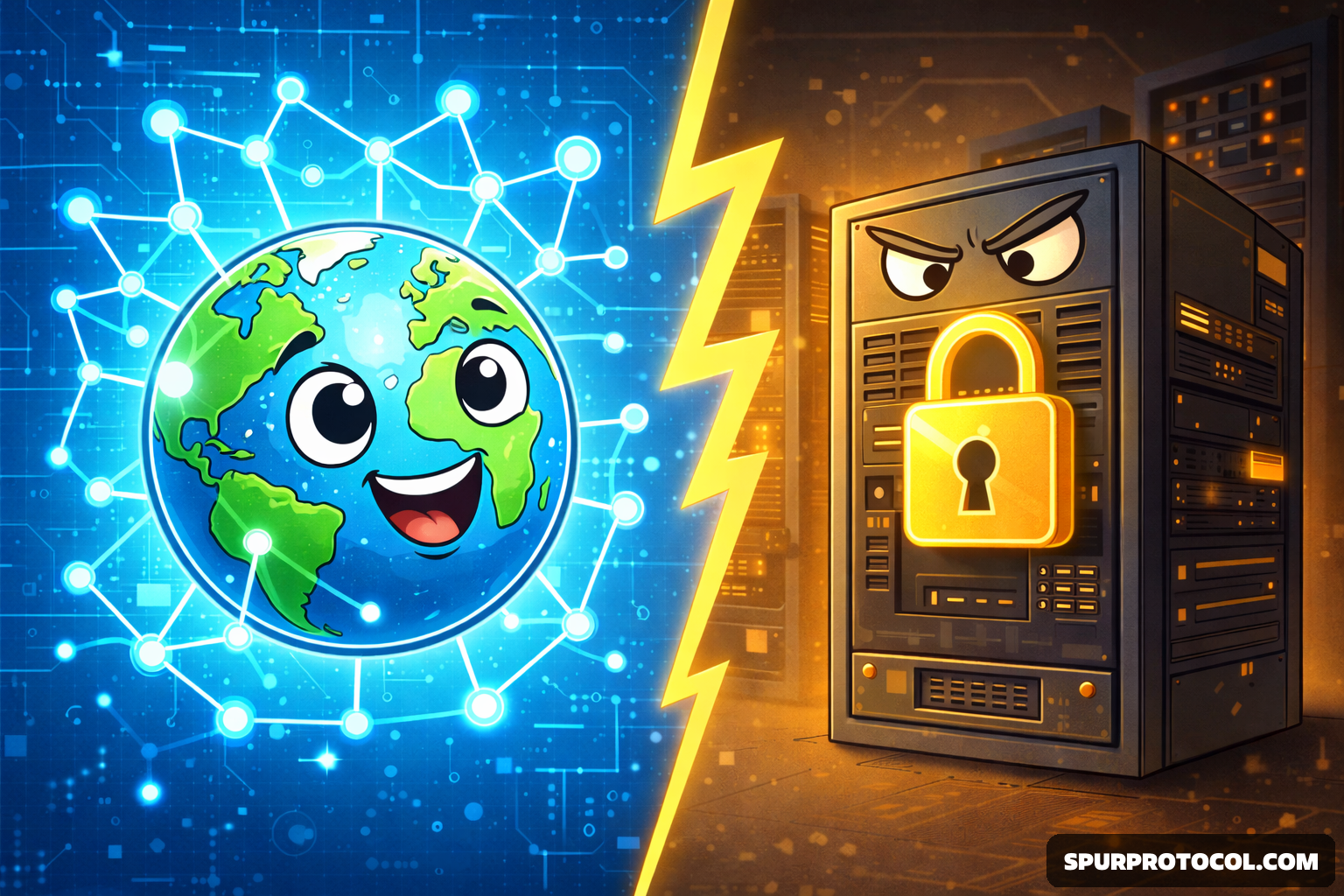
Public Blockchain:Think of this as Permissionless. It is open to the world. Anyone can join the network, view the ledger, and make transactions. No single person or company owns it.Examples:Bitcoin, Ethereum.
Private Blockchain: Think of this as "Permissioned."It is a closed network. You need an invitation or specific access rights to join. It is usually controlled by a single organization to keep data confidential.
Examples: Hyperledger Fabric, Corda.
Public Blockchain is like the Internet:Anyone can visit a website (read) or publish their own blog (write). It belongs to everyone.
Private Blockchain is like a Company Intranet: Only employees with a password can log in. The company controls who sees the files and who can edit them.
Common Mistakes / Myths
Myth:"Private blockchains are not 'real' blockchains."
Truth:They are real blockchains, but they sacrifice decentralization for speed and privacy.
Myth: "Public blockchains are completely anonymous."
Truth They are *pseudonymous*. The ledger is public, so if someone links your identity to your wallet address, they can see everything you've done.
Myth: Private blockchains are always faster.
Truth:While generally faster due to fewer nodes, high-performance public chains (like Solana) are challenging this rule.