Digital Ethics And Data Ownership
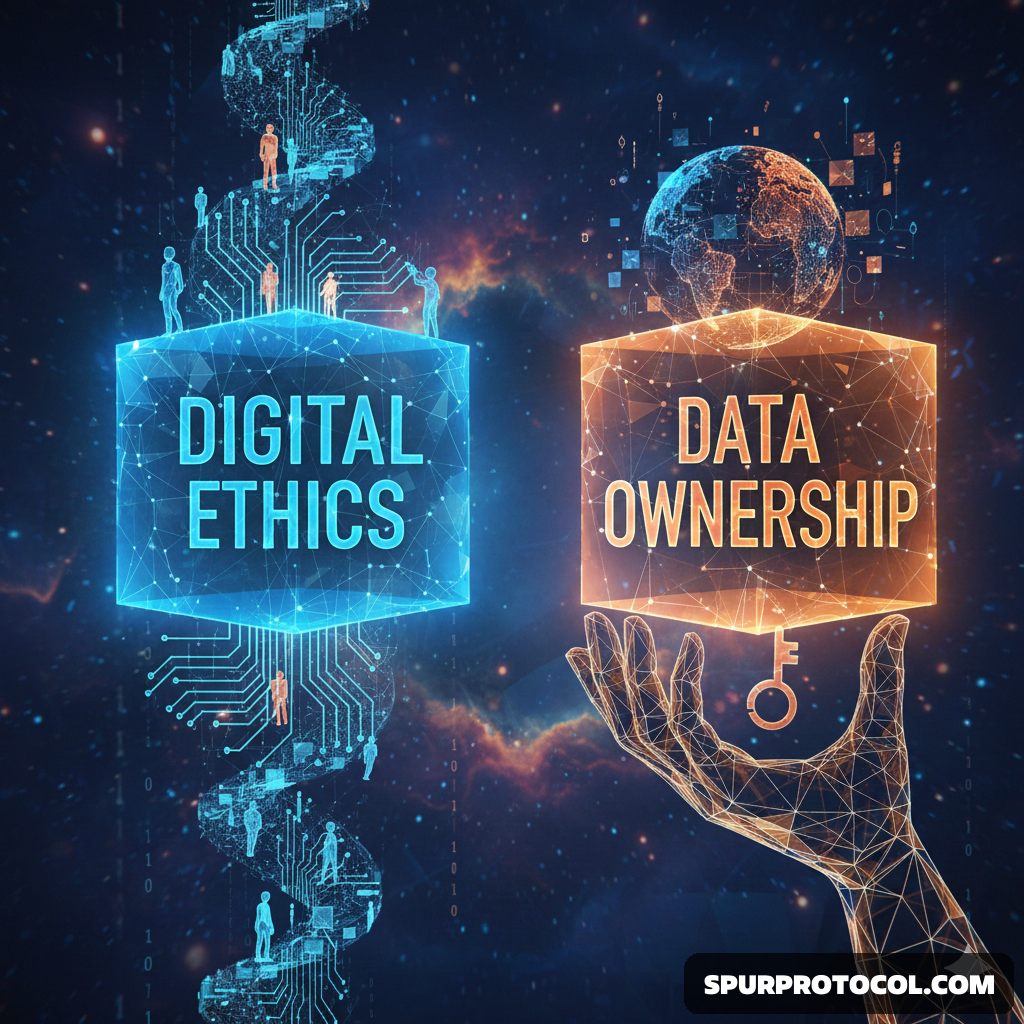
Digital ethics addresses responsible data handling, focusing on individual control (ownership), transparency, fairness, and privacy, shifting from organizations owning data to individuals having rights like access and deletion, crucial for building trust and complying with regulations like GDPR. Key principles involve clear, informed consent, purpose limitation, bias mitigation in AI, and strong security, ensuring data serves societal good while protecting rights, not just corporate interests.
Go Back
🕒 8:11 PM
📅 Jan 21, 2026
✍️ By chyneyz
Key Principles of Data Ethics & Ownership.
Data Ownership: Individuals should have authority over their data, similar to property, requiring explicit consent for collection and use.
Consent & Transparency: Clear communication about data collection, storage, and use, with easy opt-out options.
Purpose Limitation: Data should be collected for specific, stated purposes, not just collected "in case" it's needed.
Fairness & Bias Mitigation: Algorithms must be checked for bias, preventing discrimination, especially in AI systems.
Accountability: Clear roles for data management, ensuring responsibility for data breaches or misuse.
Privacy by Design: Building privacy protections into systems from the start, not as an afterthought.
Why it Matters
Trust: Ethical practices build confidence between users and digital services.
Rights Protection: Upholds individual autonomy and control over personal information.
Legal Compliance: Adheres to growing data protection laws (e.g., GDPR).
Responsible Innovation: Balances technological advancement with societal well-being.
Challenges & Solutions
Challenge: Balancing corporate data use with individual privacy.
Solution: Robust data governance, clear policies, regular audits, and stakeholder engagement.