How "Cryptographic Primitives" Keep Your Money Safe.
Something many of us don't know
Go Back
🕒 1:30 PM
📅 Dec 18, 2025
✍️ By PolakaNagendraReddy
How Cryptographic Primitives Keep Your Money Safe
We know blockchain is secure—but how?
It’s not magic. It’s math.
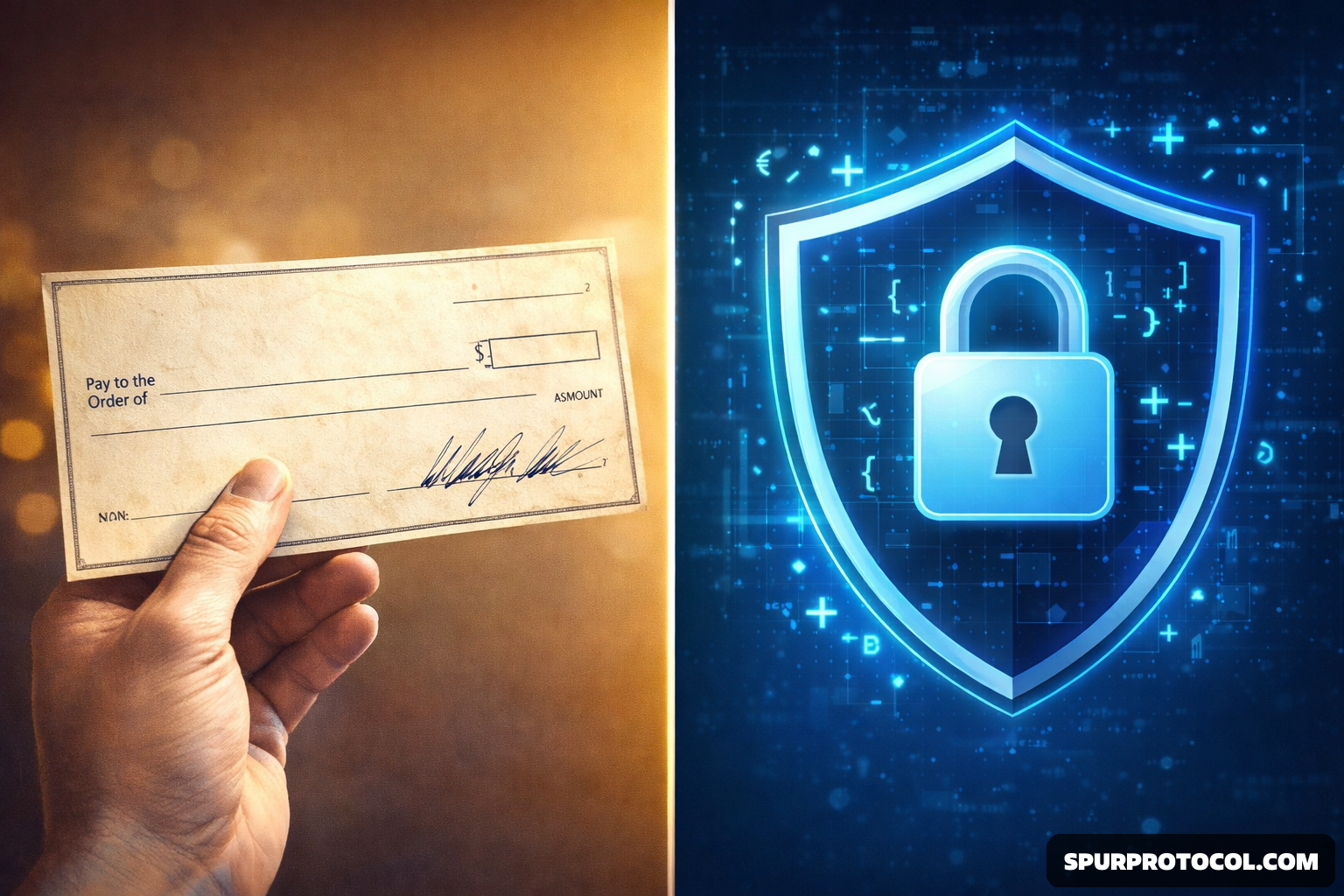
Blockchains rely on tools called cryptographic primitives. To understand them, forget computer code for a moment and think about a real-life example we all know: writing a bank check.
Here’s how cryptographic primitives fix the problems of the traditional banking world.
1. The Alteration Risk
Real life:
You write a check for $100. A bad actor steals it, adds a zero, and turns it into $1,000.
Crypto solution: Hash functions
In crypto, the moment you create a transaction, the network takes a digital snapshot of the data called a hash.
If a hacker changes even one tiny detail—like adding a zero—the snapshot changes completely.
The network immediately detects the mismatch and rejects the fake transaction.
2. The Forgery Risk
Real life:
Someone practices your signature and forges it on a document. It looks close enough, so the bank accepts it.
Crypto solution: Digital signatures
Crypto uses special mathematics that links your private key to your transaction.
This creates a signature that is mathematically impossible to forge without the correct key.
It’s like signing with ink that only appears if you were the one holding the pen.
3. Who Owns the Money?
Real life:
You have a bank account number that is safe to share, and a PIN that must be kept secret.
Crypto solution: Public and private keys
Public key:
Think of this as your email address. People need it to send you money. You can share it openly—even put it on a billboard.
Private key:
Think of this as your email password. It is the only thing that allows you to access and send your funds.
If you lose it, you lose access forever.
The Bottom Line
Cryptographic primitives are the digital versions of a vault, a signature, and a security guard.
But unlike the real world, they rely on mathematics—som
ething that cannot be bribed, fooled, or broken