NFTs And The Metaverse – Can They Shape The Architecture Of Virtual Worlds?
As the metaverse evolves from concept to implementation, NFTs are increasingly viewed as core infrastructure rather than a passing trend. By introducing verifiable digital ownership through blockchain systems, NFTs allow individuals to acquire, transfer, and manage virtual assets within immersive digital environments. This development prompts a strategic question: will NFTs become essential to the structure of tomorrow’s virtual ecosystems?
Go Back
🕒 10:28 AM
📅 Feb 13, 2026
✍️ By Goko7
Ownership and Control in Digital Spaces
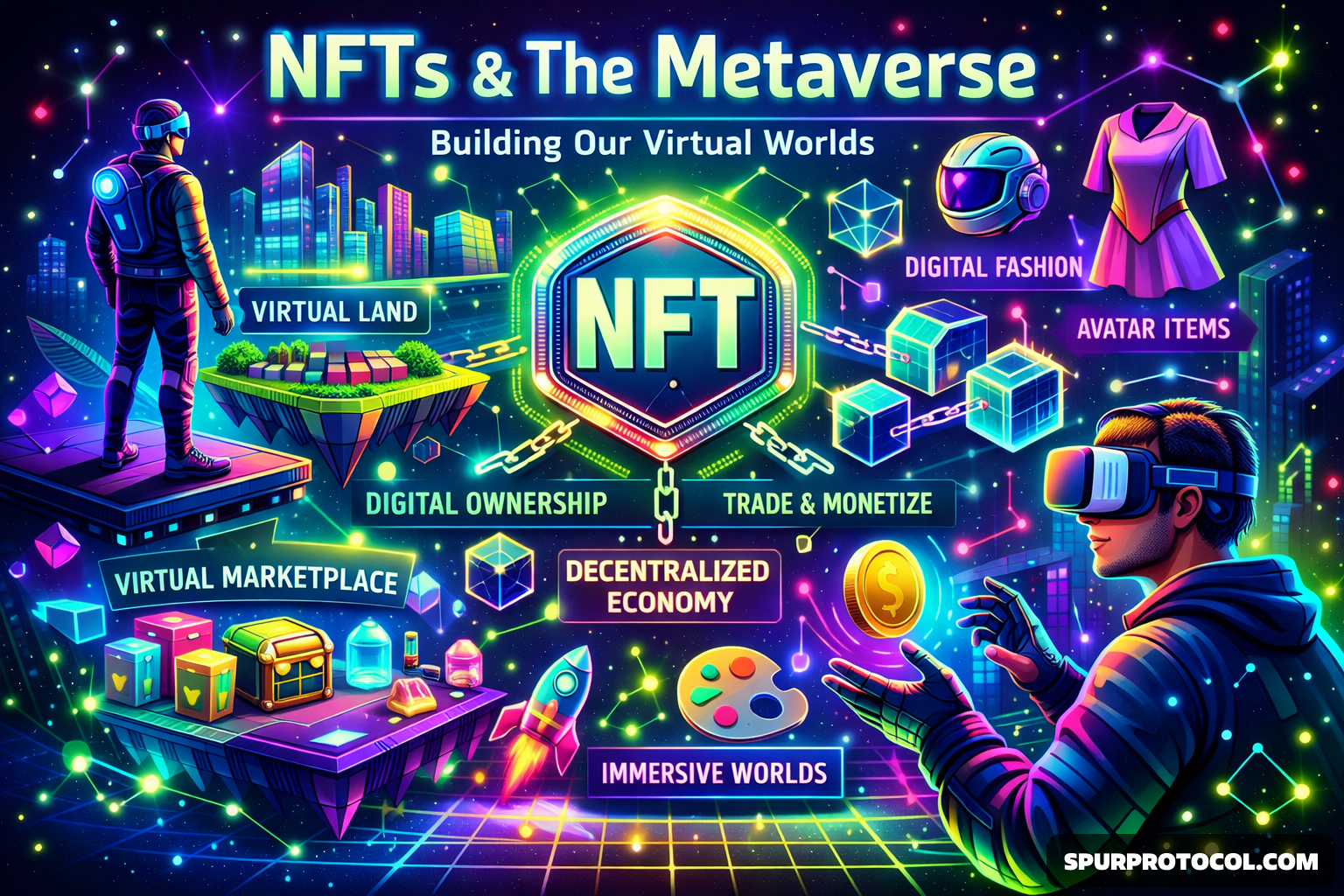
Inside virtual environments, assets such as virtual land, avatar skins, wearables, and accessories define both user identity and interaction. NFTs function as cryptographic certificates of ownership, shifting control from centralized platforms to individual users. Instead of merely accessing items under platform-controlled licenses, users can hold assets in their own wallets, with transparent proof of authenticity and scarcity.
This redefines the user–platform dynamic.
Ownership becomes portable and, in theory, interoperable across multiple metaverse ecosystems. Such portability opens the door to persistent digital identities and assets that are not confined to a single virtual world.
Virtual Economies and Creator Empowerment
NFT infrastructure also supports the emergence of self-sustaining digital economies. Creators can mint, distribute, and monetize digital products directly, often embedding royalty mechanisms into smart contracts that reward them upon secondary sales. Markets for virtual real estate, digital fashion, and in-game collectibles rely on blockchain verification to maintain transparency and traceability.
That said, building large-scale virtual environments around NFT frameworks introduces constraints. Network scalability, transaction costs, user onboarding complexity, and regulatory ambiguity remain significant obstacles. Moreover, the long-term viability of NFT-based assets depends heavily on active communities and the durability of the platforms that host them.
The Strategic Role of NFTs in the Metaverse
NFTs alone will not construct the metaverse; infrastructure such as VR/AR hardware, real-time rendering engines, and distributed computing also play critical roles. However, NFTs may provide the economic and ownership layer necessary for decentralized digital societies to function effectively.
As immersive technologies mature, NFTs could serve as the backbone for identity, commerce, and asset persistence within virtual worlds. Whether they become the dominant standard or operate alongside centralized systems, their influence on how digital spaces are designed, monetized, and experienced is likely to be substantial.