NFTs And Their Potential To Disrupt Established Markets
Non-Fungible Tokens (NFTs) have quickly moved beyond being niche digital collectibles and are now emerging as instruments with tangible real-world applications. By using blockchain technology to verify and secure digital ownership, NFTs are reshaping the way assets are produced, traded, and managed. As their adoption continues to expand, an important question arises: do NFTs have the capacity to significantly transform traditional industries?
Go Back
🕒 9:28 AM
📅 Feb 12, 2026
✍️ By Goko7
Transforming Ownership and Market Distribution
A defining feature of NFTs is their ability to establish verifiable digital ownership through blockchain infrastructure. In sectors such as art, music, and entertainment, this mechanism reduces reliance on traditional intermediaries by enabling creators to transact directly with their audiences. Through smart contracts, royalty payments can be embedded into the asset itself, allowing automatic compensation from secondary sales—an efficiency that conventional systems often struggle to guarantee.
This direct-to-consumer structure introduces structural pressure on existing distribution models.
Rather than depending on centralized entities to control pricing, access, and revenue allocation, creators can independently manage scarcity, valuation, and audience interaction. As a result, long-standing gatekeeper-driven market frameworks face increasing competition from decentralized alternatives.
Extending Into Established Markets
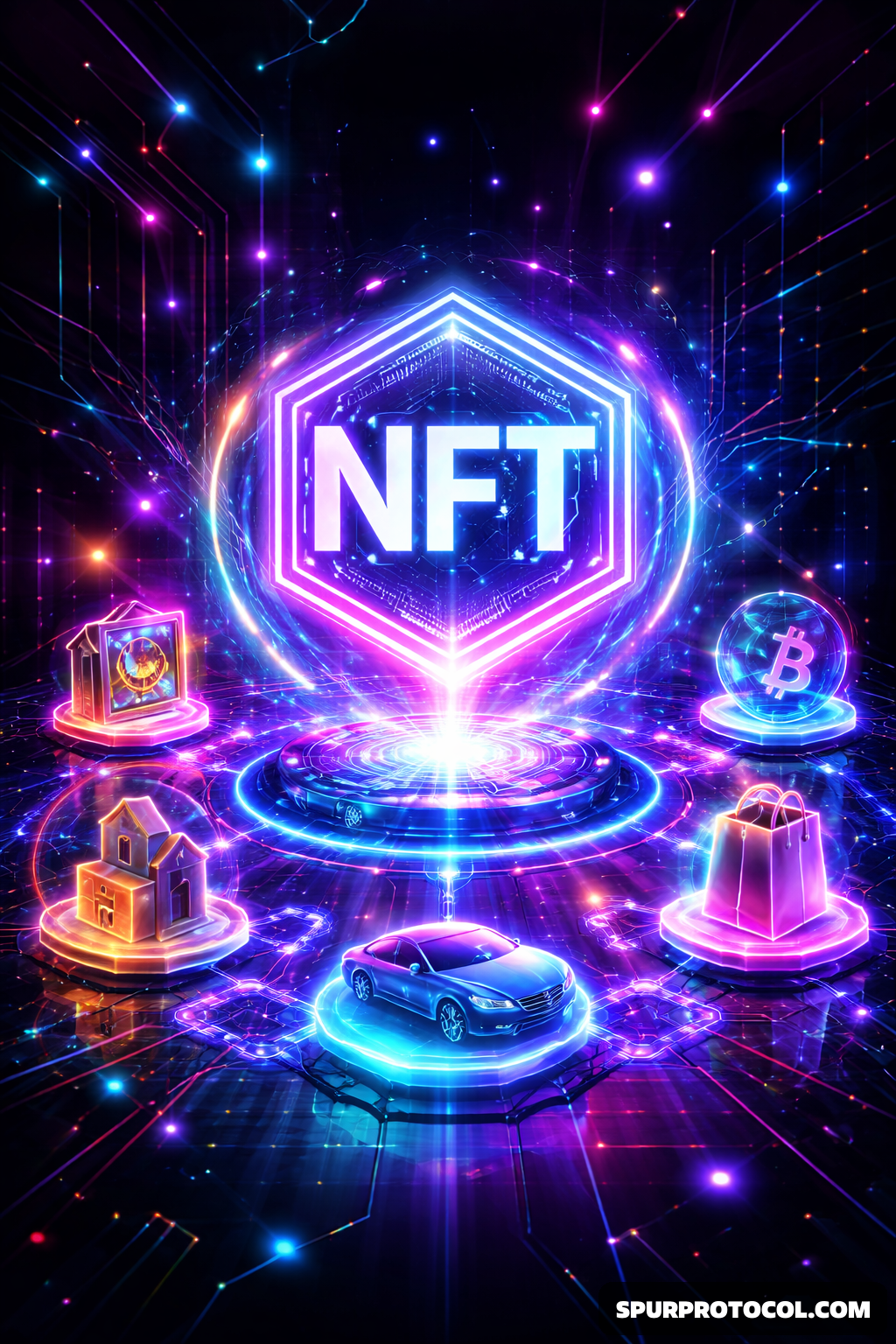
The relevance of NFTs is no longer confined to creative sectors. Established markets such as gaming, real estate, fashion, and event ticketing are actively exploring blockchain-based ownership models. In gaming ecosystems, NFTs can function as transferable in-game assets with real ownership rights. Within ticketing systems, they offer traceability, fraud reduction, and the possibility of regulated resale environments.
Despite these developments, market disruption remains conditional rather than inevitable.
Regulatory ambiguity, technological scalability constraints, and volatility in demand present tangible barriers to sustained adoption. Moreover, traditional industries benefit from deeply embedded infrastructures, compliance mechanisms, and legal safeguards—elements that emerging NFT systems must either integrate with or outperform to gain legitimacy.
Market Evolution Rather Than Total Displacement
Although NFTs introduce structural innovation, a complete replacement of established markets appears unlikely in the near term. Instead, a gradual evolution is emerging through hybrid operational models. In these frameworks, blockchain-based ownership mechanisms coexist with traditional business systems, enhancing transparency and efficiency without dismantling existing foundations.
Ultimately, the degree to which NFTs disrupt established markets will depend on their ability to deliver consistent, practical value beyond speculative trading. If supported by sustainable use cases and regulatory clarity, NFTs may significantly redefine ownership structures, distribution strategies, and consumer engagement patterns across multiple sectors—marking a meaningful transition in the architecture of modern markets.