Stranded Energy Utilization – Mining With Curtailed Wind/Solar And Flared Gas
As the crypto industry matures, its approach to energy is becoming more deliberate and optimized. One trend gaining traction is the use of “stranded energy” — power that is generated but cannot be efficiently used or transported. This includes excess output from wind and solar farms, as well as natural gas that is burned off in oil operations. By tapping into these overlooked resources, mining operators are finding ways to increase efficiency while reducing waste.
Go Back
🕒 12:04 PM
📅 Mar 23, 2026
✍️ By Goko7
What is Stranded Energy?
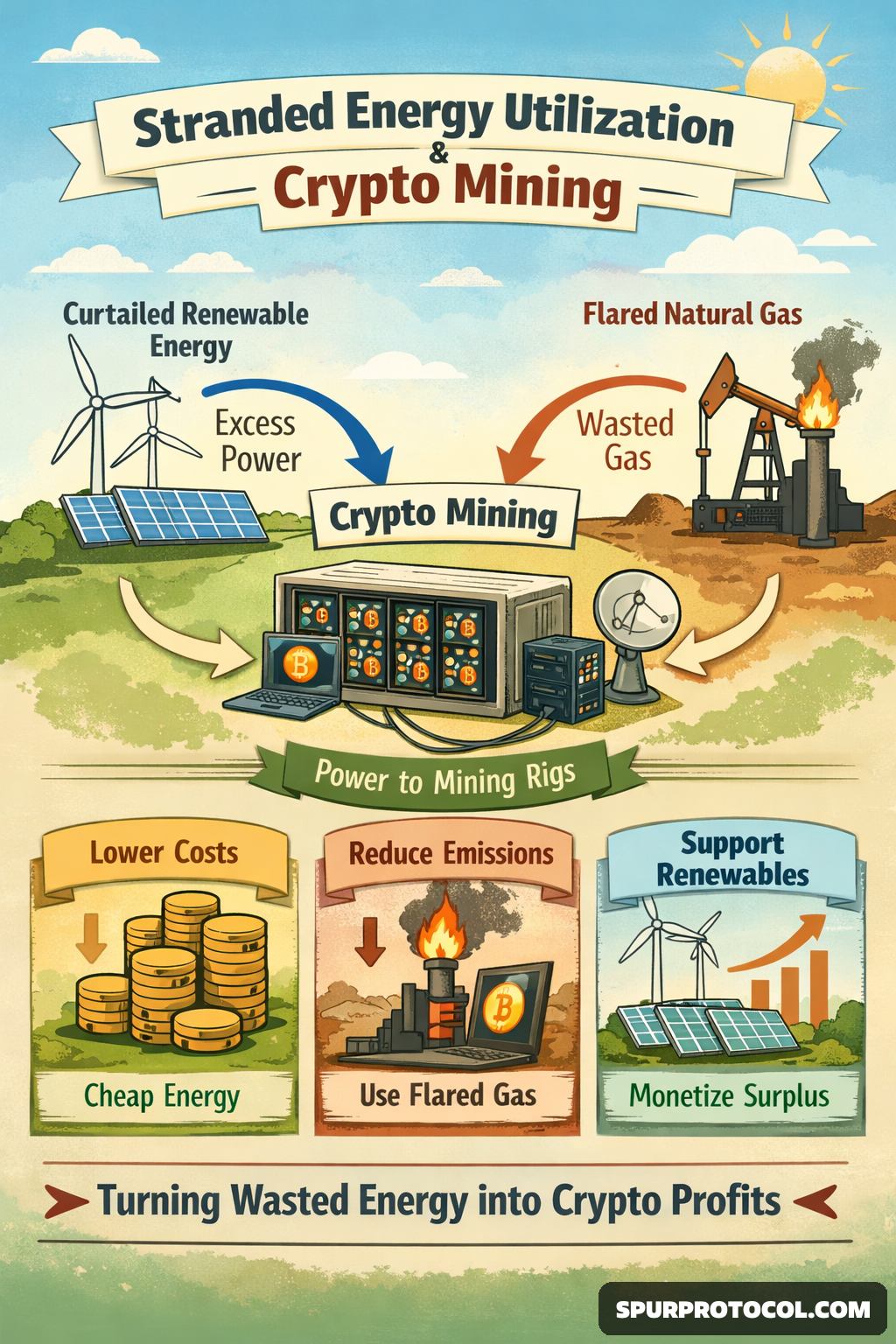
Stranded energy refers to electricity or fuel that goes unused due to infrastructure bottlenecks, low demand, or remote locations. In renewable energy, this typically happens when production exceeds what the grid can handle, forcing operators to curtail output.
In the oil and gas sector, flared gas is a common example. Without the infrastructure to capture and distribute it, surplus gas is burned on-site — resulting in lost energy and unnecessary emissions.
Why Mining Works Well Here
Crypto mining has a key advantage: it’s highly flexible. Operations can be set up almost anywhere there’s power and internet access. This makes it possible to deploy mining equipment directly at the source — whether next to a wind farm or an oil field.
Instead of letting energy go to waste, it’s converted into computational work, effectively turning unused resources into revenue.
Benefits and Opportunities
One of the biggest advantages is cost efficiency. Stranded energy is often significantly cheaper than grid electricity, which can improve mining margins. At the same time, renewable energy projects benefit from having a consistent buyer for excess production, improving their financial viability.
In the case of flared gas, using it for mining can reduce emissions compared to simply burning it off, offering a more practical use for an otherwise wasted resource.
Challenges to Consider
There are still real hurdles. Deploying and maintaining mining infrastructure in remote or off-grid locations can be complex and expensive. Regulatory uncertainty is another factor, especially when fossil fuels are involved.
Long-term sustainability also depends on how energy markets evolve and what policies are put in place.
A Shift in the Energy–Mining Relationship
Stranded energy is reshaping how crypto mining is perceived. Rather than being seen purely as an energy consumer, it’s starting to play a more integrated role within the energy ecosystem. By aligning with unused or excess supply, mining has the potential to optimize energy use while creating new growth opportunities for both the crypto and energy sectors.