The Importance Of Smart Contracts In Web3 Development
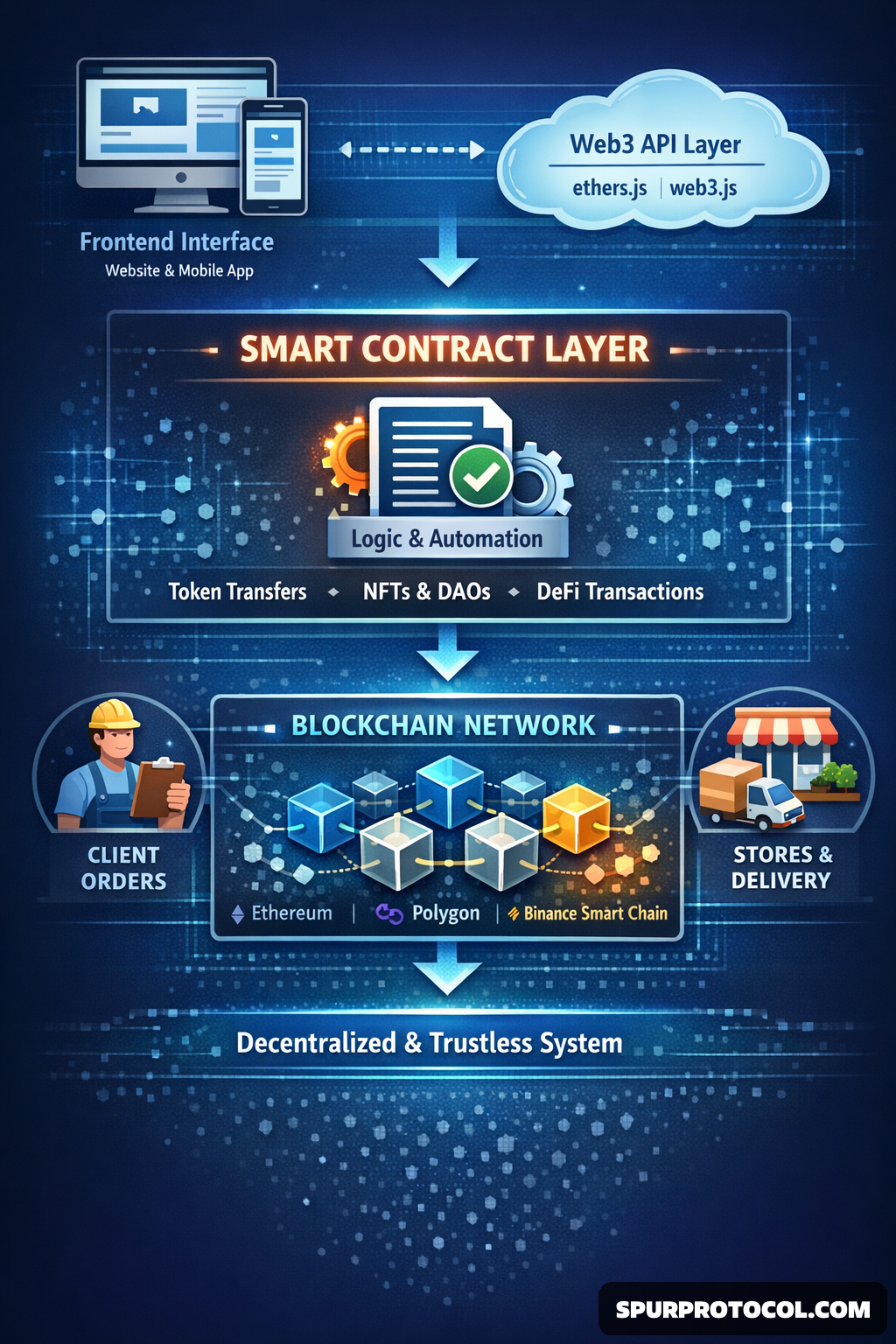
Smart contracts are a fundamental component of Web3 infrastructure. They allow decentralized applications to function independently, without depending on centralized intermediaries. By executing predefined logic automatically, they create systems that are transparent, efficient, and trustless. As Web3 continues to grow and mature, smart contracts remain essential to how decentralized platforms operate and provide value to their users.
Go Back
🕒 2:54 AM
📅 Feb 17, 2026
✍️ By Goko7
Automating Agreements Without Intermediaries
Smart contracts are programs deployed on a blockchain that execute automatically once specific conditions are satisfied. Instead of relying on manual intervention or third parties, the contract enforces the rules on its own. This approach minimizes human mistakes and ensures that every action follows the exact logic defined from the start.
In the Web3 ecosystem, smart contracts handle essential operations such as token transfers, NFT creation, decentralized finance transactions, and DAO governance. Because the code is stored on a blockchain, it remains visible and resistant to unauthorized changes after deployment. This transparency helps users trust the system, since the rules cannot be secretly modified.
The Foundation of Decentralized Applications
Decentralized applications depend on smart contracts to function. These contracts control permissions, process payments, and verify data integrity. Without them, many popular Web3 services—including lending platforms, NFT marketplaces, and blockchain games—would not operate reliably or securely.
Developers write smart contracts using specialized languages designed for blockchain environments, then deploy them to networks capable of running decentralized code. Careful testing and security audits are essential, because even small vulnerabilities can lead to serious financial damage or system disruptions.
A Core Component of the Web3 Evolution
Despite their advantages, smart contracts come with technical challenges. Bugs in code, security flaws, and network scalability can affect performance and safety. However, modern development tools and improved auditing practices continue to make smart contracts more secure and dependable.
Ultimately, smart contracts serve as the operational layer of Web3. By automating trust and removing the need for intermediaries, they enable more transparent, efficient, and decentralized digital systems.