The Rise Of Tokenized Real-World Assets (RWAs) In Business
While cryptocurrencies and NFTs have captured much of the public's attention, a more profound, business-oriented revolution is quietly underway in the blockchain space: the tokenization of Real-World Assets (RWAs). This niche but rapidly growing area promises to bridge the gap between traditional finance and decentralized markets, unlocking unprecedented liquidity and accessibility for a vast array of assets.
Go Back
🕒 6:50 AM
📅 Dec 02, 2025
✍️ By k6924
What are Tokenized RWAs?
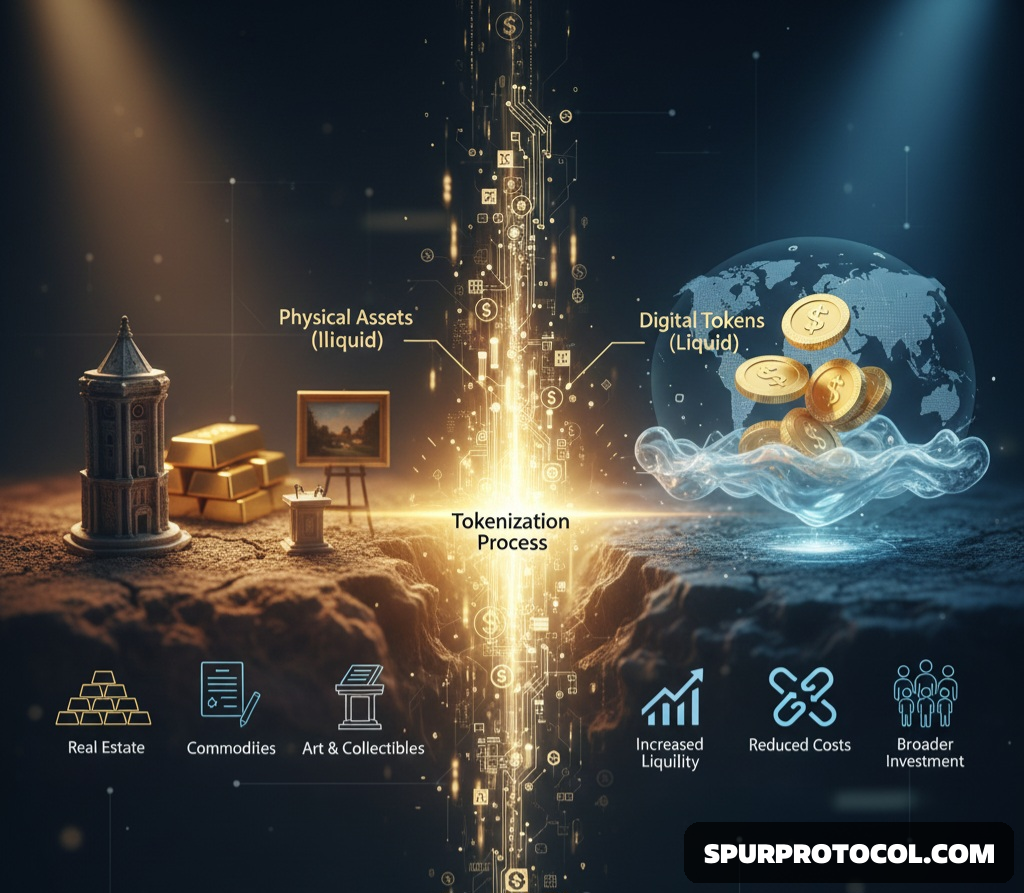
Tokenized RWAs are digital representations of tangible or intangible assets that exist outside the blockchain. These assets are converted into tokens on a blockchain, allowing them to be bought, sold, and managed with the efficiency, transparency, and immutability inherent to distributed ledger technology.
Examples of RWAs being tokenized:
- Real Estate: Fractional ownership of properties, making high-value assets accessible to smaller investors.
- Art & Collectibles: Digital ownership of masterpieces, allowing for shared investment and easier provenance tracking.
- Commodities: Gold, silver, or other raw materials represented as tokens, simplifying trading and storage.
- Debt Instruments: Bonds, loans, or invoices transformed into tradable tokens, improving liquidity in lending markets.
- Intellectual Property: Royalties from music, patents, or software tokenized for broader investment.
The Business Impact: Why it Matters
For businesses, the tokenization of RWAs offers several compelling advantages:
- Increased Liquidity: Traditionally illiquid assets (like real estate or private equity) can be fractionalized and traded 24/7 on global blockchain networks, attracting a wider pool of investors.
- Reduced Costs & Friction: Smart contracts automate many processes (e.g., transfers, dividend payments), cutting out intermediaries and reducing transaction fees and administrative overhead.
- Enhanced Transparency & Auditability: All transactions are recorded on an immutable ledger, providing a clear, verifiable history of ownership and activity.
- Broader Investor Base: Lower entry barriers (due to fractionalization) allow smaller investors to participate in markets previously reserved for institutions or high-net-worth individuals.
- New Capital Formation: Companies can raise capital by tokenizing future revenues, specific assets, or equity stakes, bypassing traditional, often cumbersome, financing channels.
Challenges Ahead
Despite the immense potential, challenges remain. Regulatory clarity is still evolving in many jurisdictions, and the legal frameworks for enforcing digital ownership of physical assets are being developed. Interoperability between different blockchains and traditional financial systems also needs to mature.
However, the trend is clear: tokenized RWAs are set to revolutionize how businesses manage, value, and trade assets. They represent a significant step towards a more efficient, transparent, and globally accessible financial ecosystem.