The Role Of Metadata In Determining NFT Value
At first glance, most people associate NFTs with digital images, videos, or collectible artwork. However, the real structure behind every NFT is its metadata. This underlying data layer defines what the NFT is, who created it, what makes it unique, and how it functions within the digital ecosystem. Without metadata, an NFT would exist only as a technical token on a blockchain, lacking meaning, identity, and usability.
Go Back
🕒 3:53 AM
📅 Feb 18, 2026
✍️ By Goko7
What NFT Metadata Actually Contains
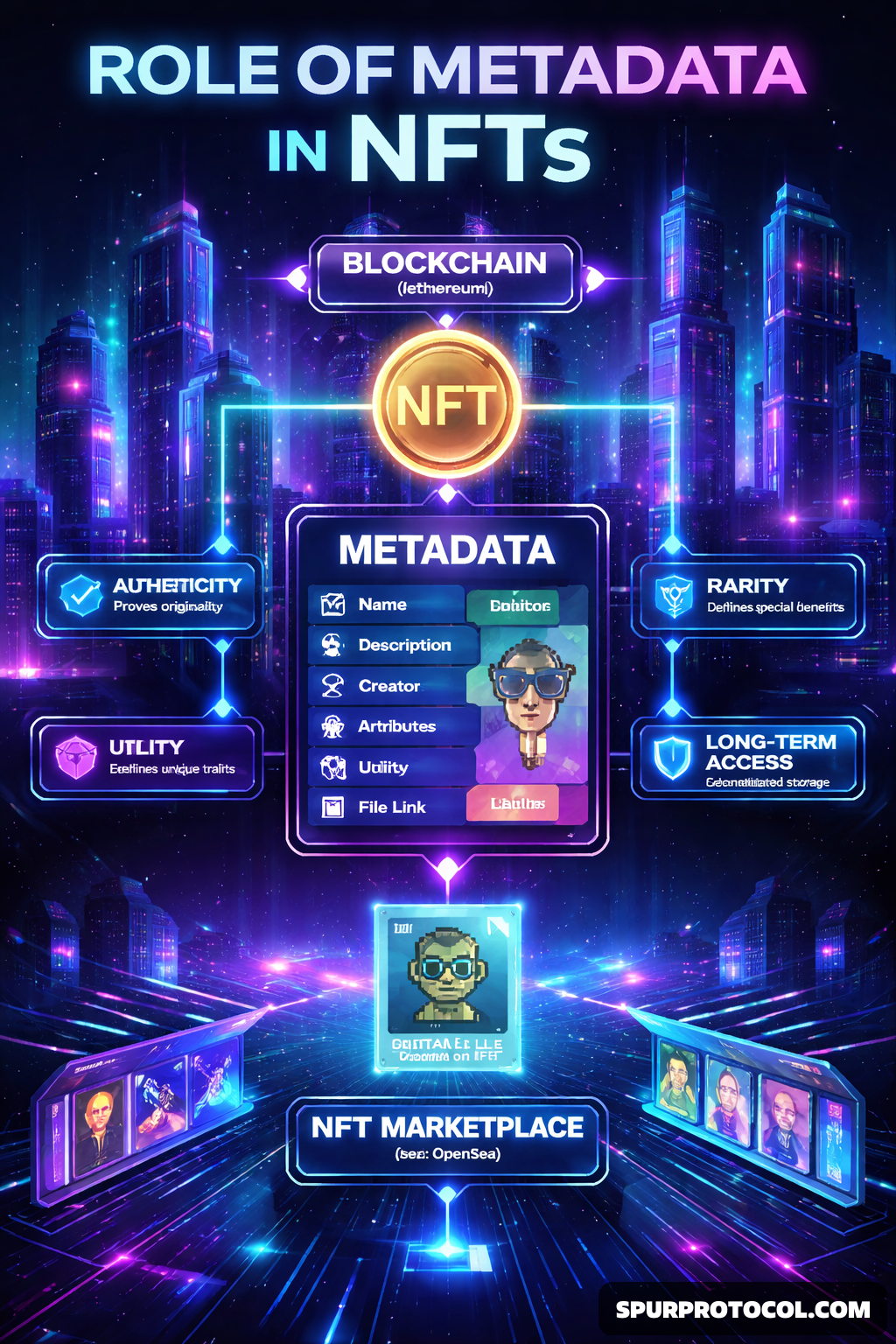
Metadata is the structured information linked directly to an NFT. It acts as the NFT’s digital identity card and typically includes essential details such as:
- the NFT’s name
- description and background
- creator information
- visual and technical attributes
- rarity characteristics
- file location (image, video, or asset)
- special features or utility
This information allows platforms and users to properly identify, display, and interact with the NFT
.
For example, NFT marketplaces rely entirely on metadata to show correct visuals, verify ownership, and present detailed properties to potential buyers.
Why Metadata Has a Direct Impact on Value
Metadata plays a critical role in shaping how valuable an NFT becomes. Its influence comes from several key factors:
Authenticity verification
Metadata confirms the original creator and ensures the NFT’s legitimacy, which is essential for buyer trust.
Rarity differentiation
Unique attributes stored in metadata distinguish one NFT from another. Scarcer traits often result in higher market demand and pricing.
Utility and functionality
Some NFTs provide additional benefits, such as exclusive access, digital privileges, or integration into games and platforms. These features exist and function because of metadata.
Long-term accessibility and security
Properly structured metadata ensures the NFT remains accessible, functional, and reliable over time.
Metadata as the Technical Foundation of NFTs
Metadata is not just descriptive — it is the operational backbone of every NFT. It connects the token to its digital asset and enables interaction across wallets, marketplaces, and applications
Through metadata, NFTs can be:
- displayed correctly across platforms
- transferred between owners
- verified as authentic
- categorized by rarity
- integrated into digital ecosystems
Without metadata, NFTs would lack context, functionality, and value.
Conclusion
While visual design may attract initial attention, metadata is what gives an NFT its true structure and importance. It defines authenticity, rarity, utility, and long-term reliability. Strong, well-managed metadata increases trust, improves usability, and ultimately plays a decisive role in determining an NFT’s real market value.