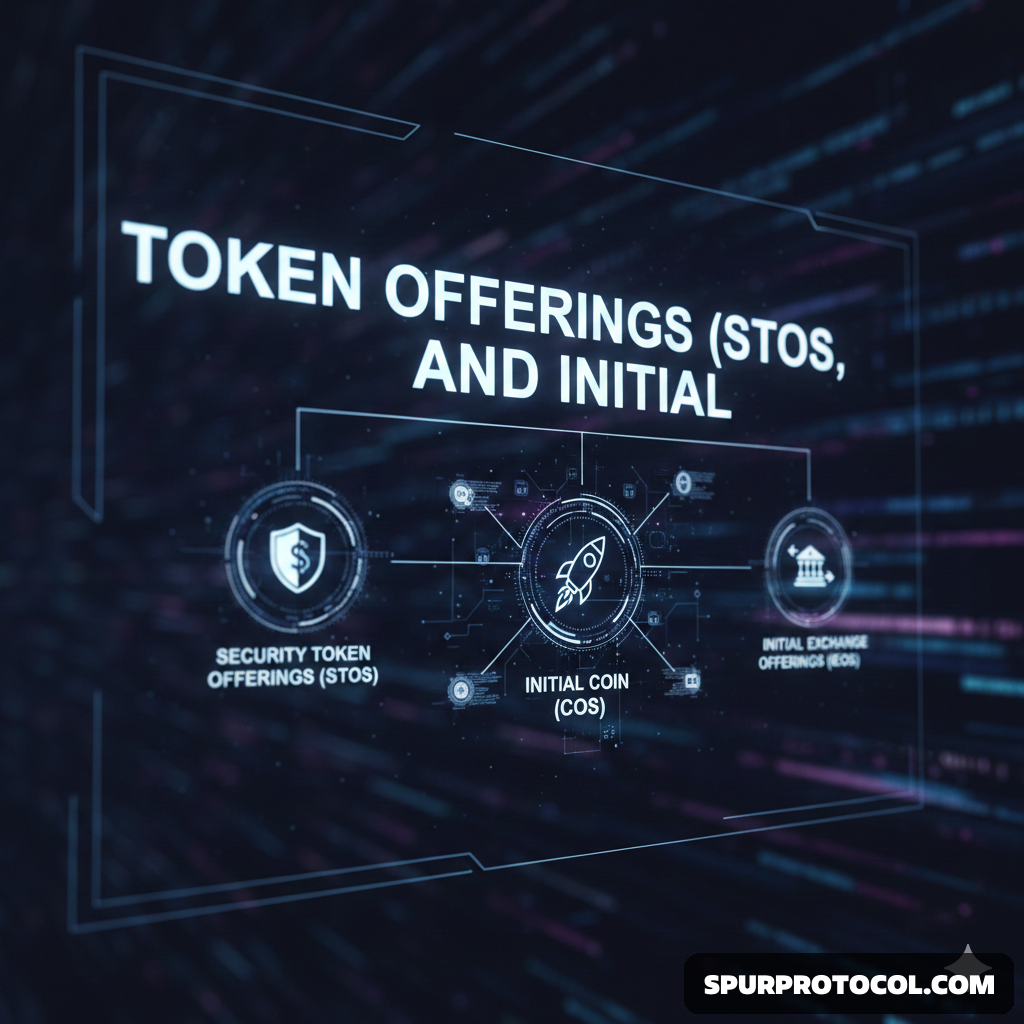
Token Offerings (STOs) And Initial
It looks like you’re exploring the different ways projects raise capital using blockchain. Since you mentioned Security Token Offerings (STOs) and started on Initial, you are likely looking for a comparison with Initial Coin Offerings (ICOs) and Initial Exchange Offerings (IEOs).
Go Back
🕒 3:45 PM
📅 Jan 03, 2026
✍️ By chyneyz
As of 2026, the landscape has shifted significantly toward regulation and "Real World Asset" (RWA) tokenization. Here is a breakdown of how these three models differ.
1. Security Token Offerings (STO)
STOs are essentially the "grown-up" version of crypto fundraising. Because the tokens represent a real-world stake in a company or asset, they are legally classified as securities.
The Big Advantage: Investor protection. If the company fails or acts fraudulently, investors have legal recourse similar to traditional stock market investors.
The Trend in 2026: We are seeing a massive surge in RWA (Real World Asset) tokenization, where things like commercial real estate or private equity are "fractionalized" so smaller investors can buy a piece of them via an STO.
2. Initial Coin Offerings (ICO)
ICOs were the original "Wild West" of crypto fundraising. You send crypto to a smart contract, and you get a token back.
The Reality in 2026: Pure, unregulated ICOs have mostly disappeared in favor of more compliant models. Most "ICOs" today are actually IDOs (Initial DEX Offerings), which happen on decentralized exchanges like Uniswap or Raydium.
The Risk: High chance of "rug pulls" or projects failing because there is no regulatory oversight.
3. Initial Exchange Offerings (IEO)
In an IEO, a reputable cryptocurrency exchange acts as the middleman. The exchange performs "Due Diligence" on the project before allowing them to sell tokens to the exchange’s users.
Why it's popular: It provides immediate liquidity (the token is usually listed on the exchange the moment the sale ends) and a baseline level of trust.
Which one are you looking at?
If you are an investor: STOs are the safest but often require you to prove you have a certain net worth. IEOs are the most convenient for retail traders.
If you are a founder: STOs are much more expensive and legally complex to set up, but they attract "serious" institutional capital.