What Is Distributed Ledger Technology (DLT) In Crypto?
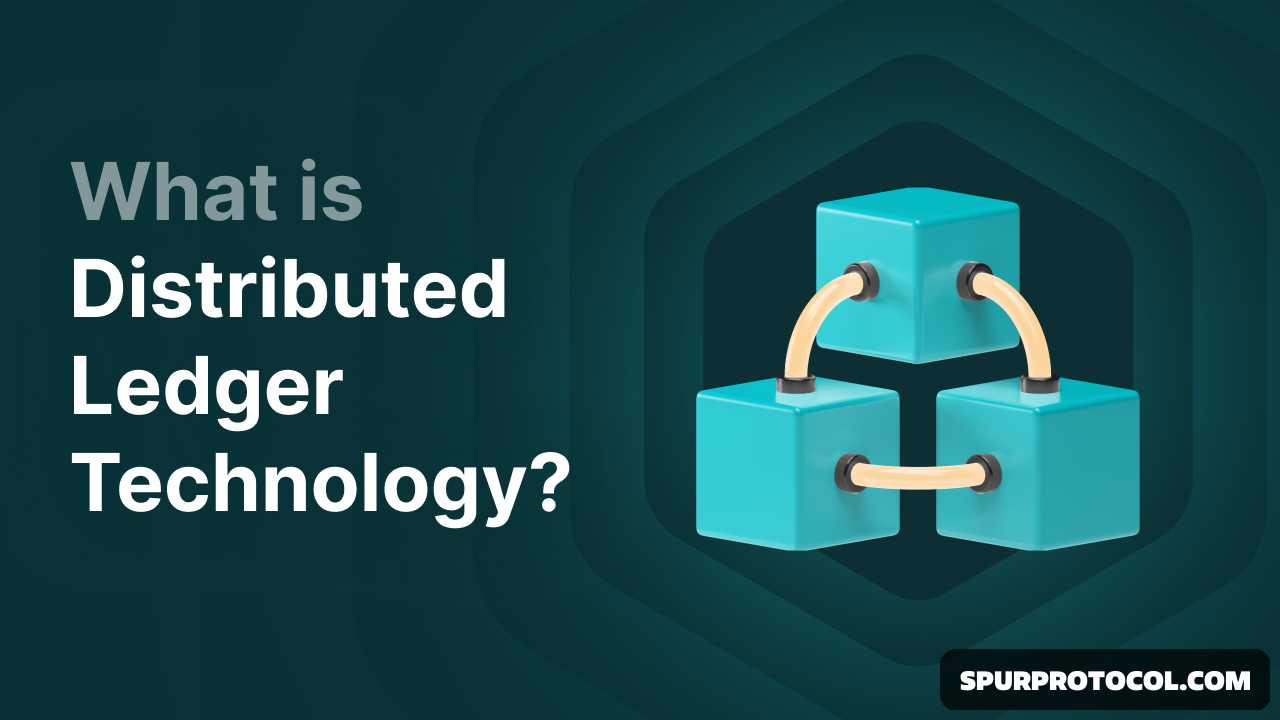
Distributed Ledger Technology (DLT) is a digital infrastructure that stores data in a decentralized manner. Data is stored in a decentralized database maintained by computers across the globe (nodes), rather than on a server managed by a central authority, such as a web administrator.
Go Back
🕒 6:17 PM
📅 Nov 17, 2025
✍️ By chrison2
DLT is a decentralized technology with no central authority, where data is stored and managed by a network of nodes worldwide.
Consensus mechanisms such as Proof of Work, Proof of Stake, and Proof of History enable transactions to be validated without intermediaries.
DLT enables secure, transparent, and efficient applications, such as peer-to-peer transactions, smart contracts, digital ownership records, and decentralized governance.
The technology also has limitations, such as scalability issues, technical complexity, and energy consumption with mechanisms like PoW. Additionally, errors on the blockchain are usually irreversible.
Since the introduction of Bitcoin in 2008, DLT has rapidly evolved, with new blockchains like Ethereum enabling broader applications.
📍How Does Distributed Ledger Technology (DLT) Work?
Distributed Ledger Technology works with cryptography to store data securely and accurately. Cryptographic keys and digital signatures ensure that data is accessible and can be stored. The data is stored permanently, meaning it is immutable. The exact conditions are defined in the blockchain's code and integrated into the digital ledger. The decentralized nature of the blockchain and encryption through private and public keys ensure that managing funds, for example in crypto wallets, is relatively secure and less vulnerable to cybercrime. Cybercriminals would need to simultaneously attack at least 51% of all nodes to succeed.
Each node (a computer) maintains a copy of the ledger. When a change occurs (which happens continuously), the data on all nodes is updated. This occurs each time the nodes reach consensus on the validity of a transaction. Transactions are digitally signed, validated, and processed into a block. This block refers to the previous block to make alterations impossible.
If you want to send a crypto like Solana from A to B, you do so via the blockchain. Cryptocurrencies operate on the blockchain, and therefore they also use DLT.
📍Applications of DLT in the Crypto World
Thanks to DLT, there are various things you can do in a decentralized and secure way. Over the years, the technology has enabled more possibilities as more blockchains are launched, each adding value in its own way. Below are the main use cases:
Executing Transactions: Performing secure transactions without the need for central systems.
Smart Contracts: Developing and executing smart contracts. These are self-executing computer programs on a blockchain that automatically enforce agreements between parties when predefined conditions are met.
Governance: Conducting fair, secure, and transparent voting, allowing each network participant to help decide the future of a blockchain or protocol.
Proof of Ownership: The blockchain provides proof of ownership in an immutable and transparent system.
All these applications could also be used in daily life if governments and centralized businesses embraced these technologies.