What Is On-Chain Vs Off-Chain In Crypto?
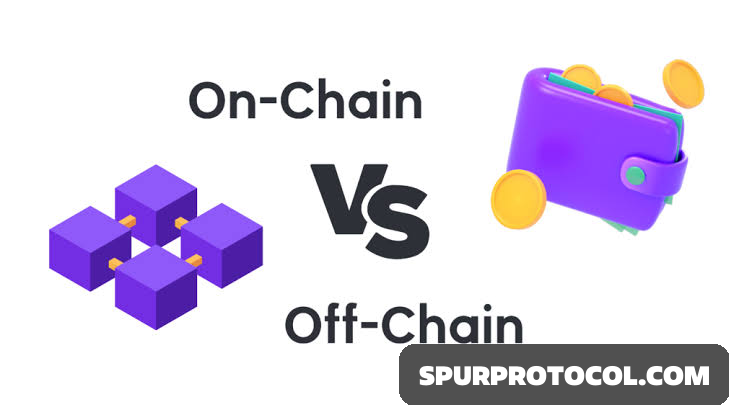
On-chain transactions happen directly on the blockchain, creating permanent and public records. Off-chain transactions take place outside the blockchain, making transfers faster and cheaper, with final updates added later.
Go Back
🕒 6:57 PM
📅 Oct 22, 2025
✍️ By chrison2
Unraveling the Differences between On-Chain and Off-Chain Crypto Transactions The primary differences between off-chain and on-chain transactions revolve around operational mechanisms and what they mean for users. On-chain transactions are more trustworthy and secure due to direct operation on the main blockchain. At the same time, on-chain crypto transactions are slower and could become more expensive when the network is congested.
The on-chain vs. off-chain crypto transactions comparison also provides a similar painting of off-chain crypto transactions. Off-chain blockchain transactions are faster and more cost-efficient than on-chain transactions, albeit with reduced security. The following sections provide a clear description of the comparison between off-chain and on-chain transactions.
Relationship with Primary Blockchain
The foremost difference between on-chain and off-chain crypto transactions is visible in their relationship with the primary blockchain. On-chain crypto transactions happen on the main blockchain, where they go through validation before documentation on the ledger. The documentation of on-chain transactions ensures more security and transparency.
On the contrary, off-chain crypto transactions rely on secondary networks or layers to ensure faster transactions. Off-chain transactions happen outside the primary blockchain, thereby suggesting that they may not be documented on the main chain.
Level of Decentralization
You can also compare on-chain transactions with off-chain crypto transactions by noting their level of decentralization. The foremost trait of on-chain transactions is the assurance of all the advantages associated with blockchain technology. For instance, on-chain crypto transactions follow the principles of transparency, decentralization, and immutability.
On the other hand, off-chain crypto transactions can introduce some hints of centralization depending on the transaction scenario. Off-chain transaction proceedings may involve trusting the requirements of secondary layers or transaction pooling with one provider.
Transaction Speed
One of the crucial pointers for comparing on-chain transactions with their off-chain counterparts is transaction speed. On-chain transactions are slower as they require time to achieve consensus from different participants in the network. The speed of on-chain transactions takes a huge hit at the time of heavy network congestion. With multiple people trying to get their transactions through on the network, on-chain transactions may have to wait longer in queue.
The on-chain vs. off-chain transactions comparison highlights how off-chain transactions don’t depend on consensus mechanisms. Off-chain crypto transactions take away transactions from the main network and prevent network congestion alongside ensuring faster transaction settlement.
Transaction Cost
Another prominent aspect that you should consider while comparing on-chain with off-chain crypto transactions is the cost of transaction settlement. On-chain transactions impose network fees alongside the transaction charges. It is important to know that the network fees can become unreasonably higher during heavy network congestion. Therefore, you might end up spending more than the transaction itself when you attempt an on-chain crypto transaction during peak network traffic.
Off-chain crypto transactions don’t impose the burden of such liabilities as they don’t demand the costs that come with on-chain transactions.
Suitable Use Cases
The most valuable point for comparison between on-chain and off-chain crypto transactions is their usability. Both types of transactions share equal significance in the blockchain and crypto ecosystem with their unique applications. The on-chain vs. off-chain crypto transactions debate focuses on how the two transaction modalities cater to different user requirements. On-chain transactions are more useful for situations that need unparalleled security and immutability. On-chain transactions fit the bill perfectly for high-stakes transactions that cannot afford any risks of fraud.
Off-chain crypto transactions will be ideal for scenarios that rely on reducing costs and increasing speed while addressing scalability requirements. You can use off-chain approach in small-scale and frequent transactions such as digital payments for everyday purchases.