What Is Proof-of-Stake (PoS) And Its Economic Security Model?
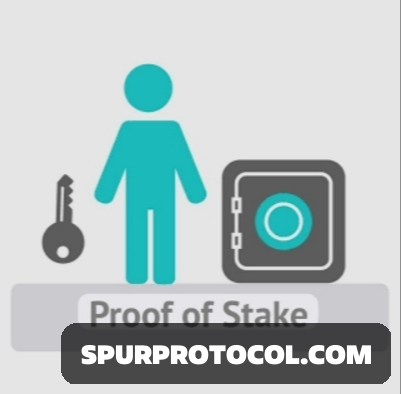
Proof-of-Stake (PoS) is a foundational consensus mechanism where security and block creation are determined by the economic value that participants (Validators) have actively locked (staked) in the network. Its security model relies on the financial cost of mounting an attack outweighing any potential profit.
Go Back
🕒 2:53 PM
📅 Nov 05, 2025
✍️ By Nathanael707
Defining the PoS MechanismPoS replaces the competitive energy consumption of Proof-of-Work with a system of economic commitment. Validators are randomly selected to propose and attest to blocks based on the size of their stake.
Economic Security: The cost of acquiring enough tokens to launch a successful attack (51% attack) is prohibitively high.
Staking: Participants lock native tokens as collateral, signaling their commitment to the network's integrity.
Validation: Validators propose and vote on the next block to achieve consensus and finality.
The Security Model: Slashing
The core of the PoS security model is the threat of Slashing, an automated penalty that enforces honest behavior.
Penalty: Validators proven to act maliciously (e.g., double-signing blocks) automatically forfeit a portion or all of their staked collateral.
Deterrence: The risk of financial loss is the primary guarantee that validators will perform their duties honestly.