What Is Web3 – Is It Really The Next Evolution Of The Internet?
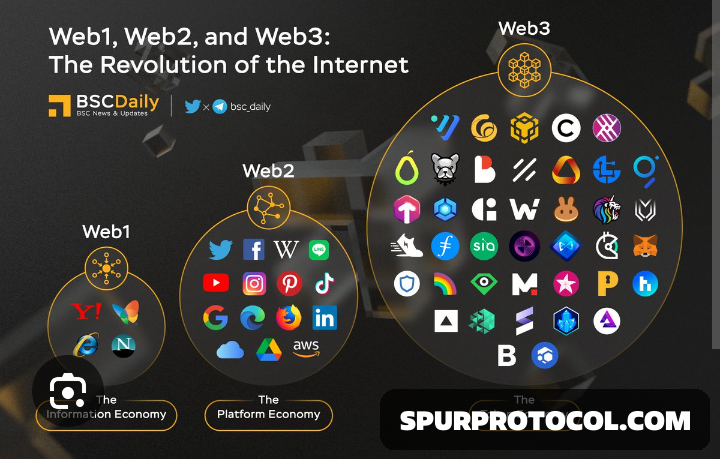
The internet has gone through several major phases, each reshaping how people create, share, and control information. From static websites to social media platforms and cloud-based services, the web continues to evolve. Web3 is the latest vision for this evolution, promising a more decentralized and user-controlled internet. But is it truly the next step forward, or just another technology trend?
Go Back
🕒 11:39 AM
📅 Jan 22, 2026
✍️ By joenamanga08
Understanding Web3
Web3 refers to an internet built on decentralized technologies, primarily blockchain. Unlike today’s web, often called Web2, where large platforms control data and services, Web3 aims to distribute ownership and decision-making among users. Instead of relying on centralized servers, applications run on decentralized networks using smart contracts.
In a Web3 environment, users interact with applications through digital wallets rather than traditional accounts. This allows individuals to own their digital assets, identities, and data, reducing dependence on intermediaries like social media companies or payment providers.
What Makes Web3 Different?
The core promise of Web3 lies in decentralization, transparency, and trustlessness. Transactions and interactions are recorded on public blockchains, making them verifiable and resistant to censorship. Token-based economies also enable new incentive models, allowing users to participate directly in governance and value creation.
Web3 has already influenced areas such as decentralized finance (DeFi), NFTs, and decentralized autonomous organizations (DAOs), showcasing alternatives to traditional financial and organizational structures.
Challenges and Criticism
Despite its potential, Web3 faces significant challenges. Scalability issues, complex user experiences, regulatory uncertainty, and security risks remain major obstacles. Critics also argue that some Web3 platforms are still controlled by a small group of developers or investors, which contradicts the idea of true decentralization