What's Recurring Payments
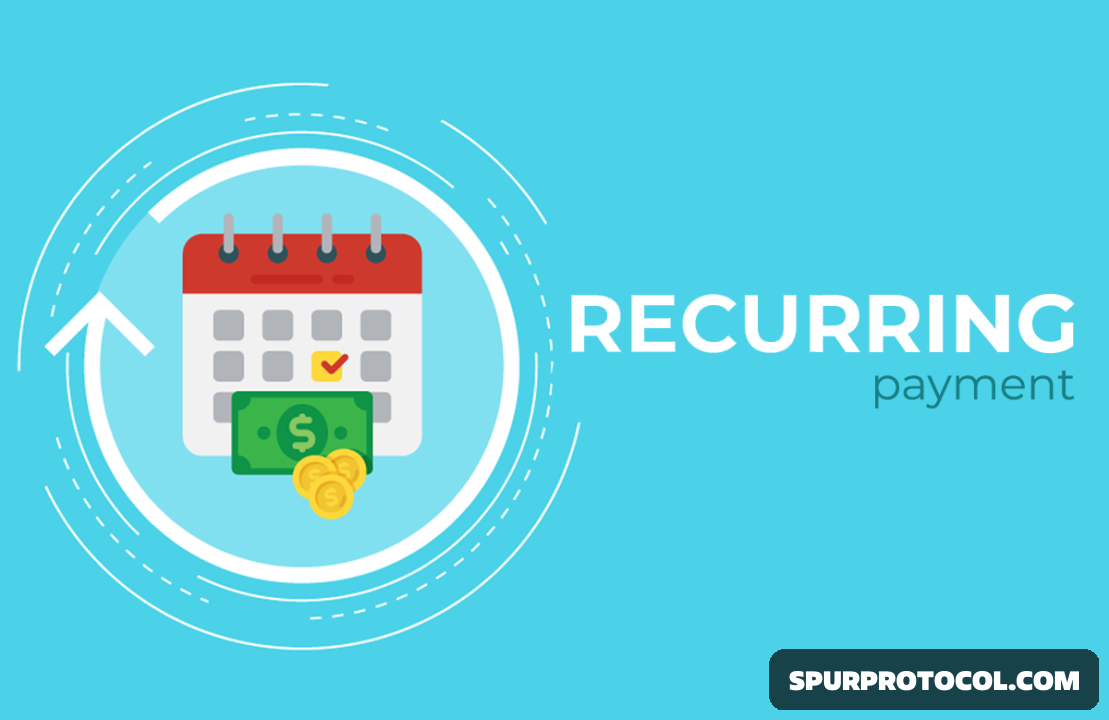
Recurring payments are automated transfers of cryptocurrency from one wallet to another on set dates. The schedule can be weekly, monthly, or follow any agreed interval. Businesses use them for subscriptions, memberships, donations, and rent.
Go Back
🕒 4:22 PM
📅 Oct 21, 2025
✍️ By chrison2
What are the peculiar features of recurring payments?
°Recurring payments in crypto have specific traits that shape how businesses and clients interact.
°Automation reduces manual work. Once the payment schedule is active, transfers run at the agreed time.
The process allows customers to pay for services on time without extra steps.
°Subscriptions are the most common use case. Merchants receive payments without interruption. Clients enjoy a predictable and transparent schedule.
How to integrate recurring payments into your business
The integration of recurring payments typically takes four steps:
Account creation on the platform that offers recurring payments.
Business wallet selection.
Invoice creation with the amount, currency, and payment frequency.
Invoice sharing with customers.
The distinctive feature of this method is that customers provide payment details once.
The agreed amount transfers at each scheduled date until the end date. It is designed to manage subscription-based income without extra effort for each cycle.
What are the advantages of recurring payments in crypto?
When businesses decide to integrate recurring crypto payments, they often benefit from:
Payments reach businesses on time without the need for follow-up requests or reminders.
Reduced administrative workload for managing and tracking incoming payments.
Helps businesses manage scheduled income from regular services or subscriptions.
Ability to accept payments from customers in different countries without delays from currency conversion.
It can support customer retention by providing a consistent and transparent payment process.
What businesses can benefit from recurring payments?
Recurring payments are well-suited for businesses with regular billing needs and ongoing customer relationships. Examples include:
SaaS platforms that charge fixed monthly fees, ensuring steady cash flow for software and service updates.
Content subscription services that deliver new material regularly, such as newsletters, videos, or exclusive access.
Digital product memberships that offer access to premium features, tools, or communities.
Charities run ongoing donation campaigns that rely on consistent support from donors.
Property rentals where landlords accept cryptocurrency from tenants on a recurring schedule, simplifying rent collection.
Cryptocurrency activities are subject to legal and regulatory requirements that differ across jurisdictions. Businesses should consult legal experts and verify local compliance obligations before implementing recurring payment solutions.